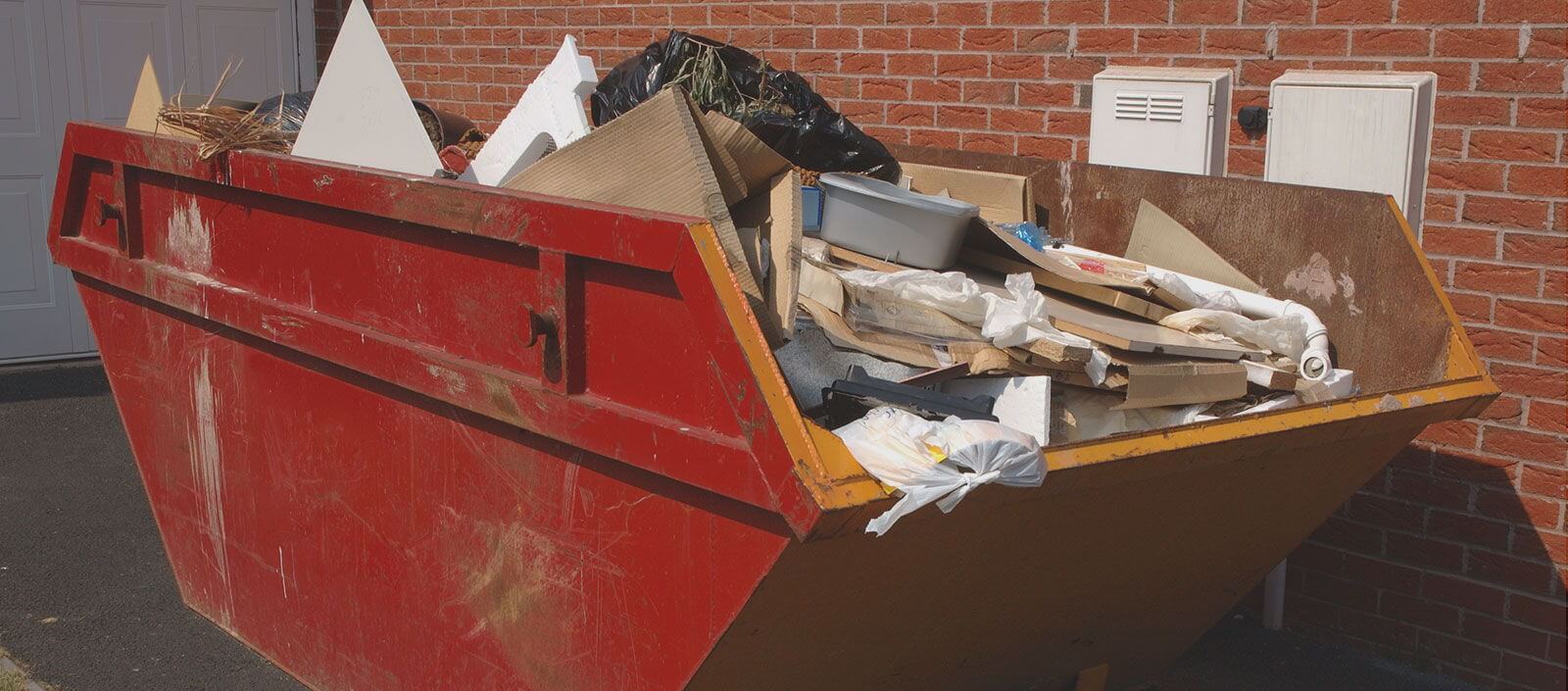
Waste Removal in Holland Park
Waste Removal Holland Park provides practical rubbish collection and clearance for homes, flats, gardens, offices and refurbishment projects in Holland Park. The service is built around removing unwanted items in a way that suits the space and the contents involved, whether that means a single bulky item, a fuller room clearance or mixed waste that needs separating. If you are comparing options, our services overview gives a clear starting point for the main types of work covered.
The work can include furniture removal, appliance disposal, domestic waste collection, loft clearance, house clearance and builders’ waste disposal, depending on what needs taking away. Each job benefits from a sensible approach to access, lifting, loading and disposal, especially where there are stairs, tight entrances or mixed materials. We aim to keep the process straightforward from the first enquiry through to the final loading stage, with the service shaped around the items rather than forcing the items into a one-size-fits-all process.
For a quotation, send over a brief description of what needs removing and the location in Holland Park. If you already know the main items, that is usually enough to begin. 
Household clearance and domestic rubbish collection
Domestic work often involves a mix of everyday waste and larger items that no longer suit the home. A room clear-out may include bags, boxed clutter, old storage items, broken furniture or general rubbish that has built up over time. Our domestic waste collection service is suited to those smaller household loads where a full clearance is not needed, while still handling the lifting and disposal work properly.
For larger domestic projects, house clearance can be the better fit. It is useful where several rooms need attention, whether after a move, a reorganisation or a long-overdue sort-out. In those situations, the work is less about one isolated object and more about removing a larger quantity of mixed household material in an orderly way. If the contents are varied, separating reusable furniture from general rubbish can make planning easier and helps avoid unnecessary handling later in the process. 
What household customers usually need to decide
Before asking for a price, it helps to decide whether the job is best described as a small collection, a furniture-specific removal or a fuller clearance. A simple house clearance page may suit people planning for multiple rooms, while a smaller rubbish collection is often enough for a compact load. Useful details include the kinds of items involved, whether anything is heavy or awkward, and whether access is through stairs, a lift or an outside route. Clear information about the contents helps the quotation reflect the real job rather than a broad estimate.
Furniture and appliance disposal
Large unwanted items can take more effort than a simple bin collection, especially where they need carrying through narrow halls or downstairs from upper floors. Furniture removal often includes sofas, wardrobes, tables, beds, chairs and similar items that no longer fit the room or are being replaced. Where a piece is still structurally sound but simply no longer needed, it may be suitable for removal as a separate item rather than as part of a broader clearance. Our furniture removal service is focused on that kind of task.
Appliance disposal requires a different approach because fridges, freezers, washing machines, cookers and other white goods are heavy, awkward and often need careful handling. These items may also contain parts that should not be treated like ordinary rubbish. The appliance disposal service is useful when a kitchen or utility space is being updated and the old equipment needs to go. If several bulky items are involved together, grouping them in one collection can make the work more efficient and reduce repeated lifting. 
When arranging this kind of removal, it is sensible to think about whether the items are already disconnected, ready at ground level or still in place. That affects the practical handling of the job and helps us plan the most suitable collection. It also allows you to request the right service first time, rather than describing a single object when the actual load is a set of mixed household items.
Builders’ waste and commercial clearances
Construction and refurbishment work usually produces a different kind of waste from domestic clear-outs. Offcuts, packaging, rubble, timber, broken fittings and mixed site debris all need handling in a way that keeps the area usable while the project continues. Our builders’ waste disposal service is set up for that kind of material, where there may be a combination of heavy loads and smaller loose waste from a single project or phase of work.
Business premises can also generate clearance needs that do not fit a normal household pattern. Office waste may include desks, chairs, filing items, shelving, archived material or general contents from a relocation or reorganisation. The office clearance service is appropriate when the work needs to be organised around desks, meeting rooms or storage areas rather than domestic rooms. For a wider view of commercial handling, the commercial waste removal page covers business-related collection work in more general terms. 
Simple planning helps with both job types. Letting us know the approximate volume, the kinds of materials involved and whether there are access restrictions will usually make the quotation more accurate. If the waste includes mixed builder’s material or office furniture, that matters too, because the handling, loading and disposal steps may differ slightly from one another.
Garden waste, lofts and awkward access
Some removal jobs are defined less by the material and more by where the material sits. Garden waste may include cuttings, branches, soil, hedge trimmings, broken planters and other organic debris after maintenance or landscaping work. The garden waste removal service is useful when the outdoor space has been tidied and the leftovers need collecting without turning the rest of the property into a storage point for bags and piles.
Loft clearance is another common situation where access matters as much as the contents. Roof spaces often hold boxes, old household items, seasonal decorations, unwanted furniture parts and long-kept clutter that has accumulated over time. With loft clearance, the practical challenge is usually safe removal from a confined area rather than the waste itself. In both cases, it helps to decide whether the job is a one-off collection or part of a broader property clear-out. 
We can also deal with mixed rubbish that does not fit a single category neatly. That may include garden bags alongside old household items, or stored materials from a loft alongside broken furniture. When the contents are mixed, the most useful quotation comes from describing the full picture plainly. If you are ready to go ahead, you can make an enquiry through the contact page or use the pricing pages to compare the service that best fits your plans.
Prices, quotations and service choices
Pricing for waste removal usually depends on the type of items, how much needs collecting, the access involved and whether the job needs specialist handling. A single bulky item is handled differently from a full room, and mixed loads may need extra time for sorting and loading. If you want to understand the structure first, the prices page is a useful place to start, while the pricing and quotes page is focused on requesting a quotation and learning how the process is handled.
For some customers, it helps to look at the service type before asking for a price. A furniture load, an appliance-only collection, a builders’ waste job and a house clearance all involve different levels of labour and different contents. Looking at the relevant page first can save time and make the quotation easier to compare. If you are not sure which category fits, start with the main service overview and then narrow it down from there. 
What to include in an enquiry
The most helpful enquiries are usually short and factual. A note listing the items, the number of rooms or bags, the floor level, and any access details is often enough to begin. If you have a flexible date range, mention that too. For the clearest quotation, it is best to describe what is actually there rather than what might be there after you have finished sorting. That keeps the conversation practical and reduces the need for back-and-forth later.
Recycling, disposal standards and business information
Waste removal is not only about taking items away; it also depends on how those items are processed afterwards. Different materials may need different treatment, and some loads contain a mixture of reusable items, recyclable material and general rubbish. Our recycling and sustainability page explains the broader approach to dealing with waste responsibly, while the waste carrier licence and compliance page covers the compliance information published on the site.
Customers often want a straightforward way to check terms, payment, security and other service information before proceeding. Those pages are available if you need them, including the payment and security page and the terms and conditions page. This is especially useful if you are arranging a larger clearance or want to see how the business presents its service details before confirming the work. If you prefer a broader introduction to the company, the about page is also listed on the site. 
When comparing pages, focus on the service that matches your load rather than on generic wording. A well-matched category usually gives you the clearest understanding of what is included, what may need extra discussion and how the collection should be prepared. If you are ready to ask for a quote, send the item list and access notes today.
About Holland Park
Holland Park is an area in the Royal Borough of Kensington and Chelsea in west London, known for its mix of residential squares, period houses, garden squares and established cultural landmarks. The district takes its name from the former Holland House estate, whose surviving grounds now form the public Holland Park, one of the most recognisable green spaces in the neighbourhood. The park itself combines ornamental gardens, wooded areas and formal landscaping, and it is also known for the Kyoto Garden, a carefully designed Japanese-style garden that gives the park a distinctive character within inner London. The area sits close to Kensington High Street, Notting Hill and Shepherd’s Bush, which places it within a busy part of west London while still retaining quieter residential streets and a strong local identity. Built forms vary from terraces and mansion blocks to later residential developments, reflecting the way the district has changed over time. Nearby routes and transport links connect the area to the rest of the city, but the local landscape still feels anchored by its parkland, squares and listed buildings. Holland House itself, though now mostly ruined, remains an important historical reference point because the estate was associated with aristocratic and political life in earlier centuries. Cultural life in the area is also shaped by the presence of arts and performance venues, independent businesses and the wider Kensington and Chelsea setting, which has long been associated with architecture, heritage and urban design. 
Choosing the right waste removal service
Choosing the right service starts with the shape of the job. A few bags, a bulky sofa, a kitchen clearance or a full property clean-out all belong in different categories, and each category is easier to price when the description is specific. Our rubbish collection page suits general loads that do not need a more specialised heading, while the furniture disposal page is the better fit where the main items are large household pieces rather than mixed rubbish.
For more complete property projects, the loft clearance and house clearance pages show the difference between clearing a defined storage space and dealing with broader domestic contents. If the load is work-related, the office and commercial pages are more suitable, because they reflect the type of materials and the context in which the items were used. 
To request a quotation, use the contact page with a short description of the items, their location in the property and any access points we should know about. You do not need a long explanation; a practical summary is usually enough to begin. Request a quotation today and let us know what needs removing.